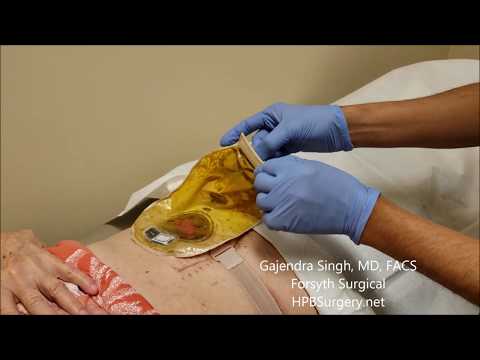
Friday, 13 January 2017

Ileostomy Recovery: What To Expect

An ileostomy helps you regain your health and strength, and it is your right such expectations. Your body might not be in an ideal condition after surgery, and it will remain like this until you recover from surgery. Fortunately, the recovery phase lasts no more than just a few weeks. After that, you will be able to live your life pretty much the way you like. You will have to adapt to an ostomy care regimen, but it will not be bothersome once you get used to it.

The good news is that you will no longer have to deal with the life-threatening condition that led you to the surgery room, which means that your quality of life maybe even more improved as compared to before surgery.

An ileostomy refers to a bowel diversion to allow bodily wastes to pass out of an opening (stoma) in the abdomen, bypassing the entire colon. The surgeon will create this diversion as a part of the treatment of a severe bowel illness. He will pull the end of the small intestine out through an incision in the belly. The colon will be either removed or rested.

After surgery, you are going to have to manage your stool evacuations using ostomy bags. Because there are no sphincters in the abdominal opening (stoma), you will have no control over when to pass out the stool. It will necessitate you to wear an ostomy bag the entire time. Alternatively, you can have a continent pouch, which is generally a j-pouch in case of an ileostomy. It allows you to pass out stools through the anus.

Recovering from ileostomy surgery

The pace of recovery varies from person to person, but healthcare specialists recommend a hospital stay of 3-7 days. During this stay, you will have a diet consisting mostly of liquids. You can introduce solid foods in your diet as you recover.

During the entire recovery period, which may last 6-8 weeks, you will need to avoid foods that are high in fiber. Eating high-fiber foods in this duration can lead to obstruction, which can be quite painful. Moreover, you will need to drink a lot of water, because the surgical process to create an ileostomy involves the removal or bypassing of the colon, which is much like a re-hydrator for the body. With this water tank gone, you will need to have more fluids to keep your body well-hydrated.

Your stoma care nurse is your first point of contact when it comes to understanding anything about ileostomy care. During the hospital stay, your nurse will teach you the basics of ostomy care, which would involve applying, emptying, and changing an ostomy pouch. They will also tell you how to take care of your peristomal skin, which holds vital importance in an ideal ostomy care routine. If you have an internal or continent pouch, your nurse will teach you how to manage your bowel movements. Learning how to manage your continent pouch is crucial because you are going to have frequent bowel movements during the first few days after surgery.

After your bowel recovers fully, you can live a life without any restrictions and limitations. There will be a few things to consider related to your digestion, and you will have to manage an ostomy bag the entire time, but these factors will not stop you from living a healthy and active life.

Wednesday, 5 October 2016

Urinary diversion things to know

The surgical procedure to create a new way for urine to leave the body is known as urinary diversion surgery. Your doctor may choose to create this diversion in your body when your natural urinary pathway fails to perform its function due to blockage.

The natural urinary pathway consists of two kidneys, ureter, bladder, and urethra. Any problem in the passage of urine causes it to build up in the bladder, kidneys, or other areas of the urinary tract. This buildup can result in several problems, including urinary stones, UTIs, pain, and damage to the urinary tract. Leaving this problem untreated can lead to a life-threatening situation.

This diversion in the urinary tract can be temporary or permanent. Temporary urinary diversion allows the diseased part of the tract to recover before the surgeon chooses to reverse this diversion. In case of a permanent urinary diversion, the patient will have to live with the surgically created urinary pathway for the lifetime.

Reasons you may need a urinary diversion

The most common reason for a person requiring a urinary diversion is bladder cancer, whose treatment is generally the removal of the bladder. The surgical removal of the bladder is known as a cystectomy.

Other reasons you may need a urinary diversion include the following.

  • Nerve damage to the bladder, such as spina bifida, multiple sclerosis, or spinal cord injury.
  • Bladder inflammation, which might be chronic or long-lasting: It generally results from interstitial cystitis, UTIs, or urinary retention.
  • Radiation therapy, which might end up damaging the bladder:
  • Incontinence of the urinary system that cannot be controlled through medications
  • Injury
  • Urinary stones

Different types of urinary stones

Different types of urinary diversion are the following.

  • Cystostomy
  • Ureteral stent
  • Urostomy
  • Bladder catheterization
  • Continent urinary diversion
  • Nephrostomy

What to expect after urinary diversion surgery

After surgery, a nurse will visit your room to start teaching you about how to take care of your urinary diversion. The most common type of urinary diversion is urostomy, which involves the use of an ileal conduit to pass urine out of the body through an opening in the belly. You will need to wear an ostomy bag over to stoma to manage urine evacuations. Having to carry an ostomy bag 24 hours a day seems daunting at first, but it gets easier with time.

The nurse will teach you how to attach the urostomy bag while making sure that the bag’s skin barrier makes a tighter seal with the peristomal skin. You do not want your peristomal skin to come in contact with urine, or it can cause damage that will not only compromise the seal of ostomy pouches in the future, but the skin problems will get quite painful.

You may want to use skincare products to take care of the skin around the stoma, but be sure to talk about those products with your doctor before purchasing them. If your peristomal skin is healthy, you will not need anything other than warm water to maintain its good condition. You may not, in fact, want to use soap for cleaning the peristomal skin area because it generally contains oils and perfumes, both of which can leave a residue on the skin.

Saturday, 2 July 2016

Symptoms of Problematic Stoma

Stoma

A stoma is a round hole and an artificial opening in the belly wall of a person. The people who have digestive system problems, they cannot discharge stool through the natural track, anus; thus, they need something to eject the waste material of the body, either feces or urine. Therefore, after removing the infected or dysfunctional parts of the small intestine, large intestine, or bladder, the surgeon creates stoma for excretion. The stoma has a complete [ouching system to cover it and collect the stool or urine. It is a healthy incision and hole, surgically created, but if a patient does not care about the new organ in the abdomen, then it will be problematic for a person's health, skin, and internal organs.


Many stoma/ostomy people do not know about the right ways of taking care of the stoma and their overall health. However, this is necessary to look after the condition of the artificial organ in the abdomen. For this cause, an ostomate needs to buy and wear an appropriate and good quality ostomy appliance. A person must know the size, style, and type of their opening. According to the looks and appearance of the stoma, an ostomy patient wear the ostomy pouching system. If a person's stoma is more then two inches, and he wears the bag with one and a half inches pouch, then it can cause bleeding and blockage. Many elements can create infections, diseases, and other problems for stoma and peristomal skin.

Types of Stoma

These are the three common types of stoma, created as the result of ostomy:

1.         Ileostomy.

2.         Colostomy.

3.         Urostomy.

Ileostomy

The purpose of the ileostomy is to collect the waste from the small intestine and pass it out through the stoma. In this operation, a stoma appears on the lower right side of the abdomen. In this type of ostomy, doctors remove the infected part of the ileum or the entire colon; thus, the feces cannot pass to the large intestine. The small intestine throws the waste put from the stoma. It comes out in the liquid form.


Colostomy

Colostomy's stoma appears on the lower or middle left side of the abdomen. When a person suffers from bowel disease or large intestine dysfunction, then he/she needs colostomy. This operation removes the infected or injured part of the bowel or colon. Thus, the stoma passes out the solid feces.

Urostomy

The urostomy happens when a patient has bladder or urine disease. Due to the infection, injury, or blockage in the urinary tracks, a person needs urostomy stoma. This kind of stomas appears on the middle right side of the navel button.

Signs of a Normal Stoma


Well, many patients assume that normal stoma is always round and pink. No, a stoma changes its color and looks after surgery. It can adjust its size and shape according to the fluctuation in the belly size and the over body weight. A normal stoma can be round, oval, red, pink, brown, moist, soft, one inch, and two inches. A healthy opening does not bleed. However, in the early days of the ostomy, it will give pain, it can bleed, it can change color, and cause a problem in holding the pouching system. But, if the problem continuos after the weeks of the ostomy, then a patient needs an ET nurse or doctor's suggestion. Then, it is not normal.

Symptoms of Problematic Stoma

A problematic stoma does not allow a pouching system to stay for a longer time. A paste or adhesive does not work for the infected opening. Moreover, it causes bleeding. It comes out in the black, dark brown, or maroon color. The peristomal skin starts getting damaged. Patients feel dehydration in the stoma and the skin around it. The internal organs give your pain. An ostomate feels a problem in the discharge. It will cause mucus. The constant bleeding with the white fluid in the bag. Blockage in the stoma or ileum or colon.

How To Change an Ostomy Pouch at Home?

Ostomy Pouching System An ostomate develops a new organ in the abdominal wall (lower right or left side of the navel), called a stoma. Its...